The Same Journey, Three Ways: Touring, Commuting and Leisure Riding
Touring, commuting and leisure riding turn the same journey into different experiences; learn how pace, planning and purpose can help you choose.
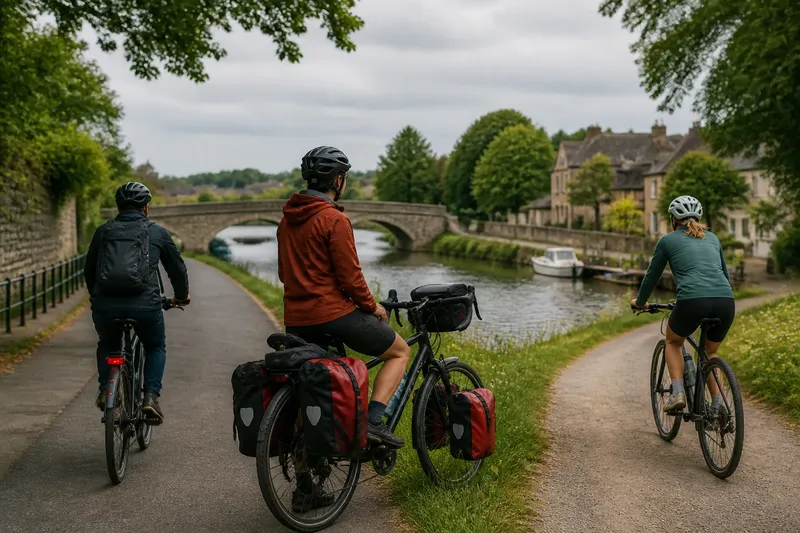
Would you rather make a ride count as a useful trip, a small adventure, or simply time outdoors? Touring, commuting and leisure riding can follow the same stretch of road, yet the purpose changes how you experience every part of it: the pace, your attention and what feels like a satisfying finish.
Think of purpose as the setting on a kitchen timer. The road has not changed, but the time and attention you give it have. None of these approaches is inherently more serious or more enjoyable; each suits a different relationship with the journey.
Commuting has a destination
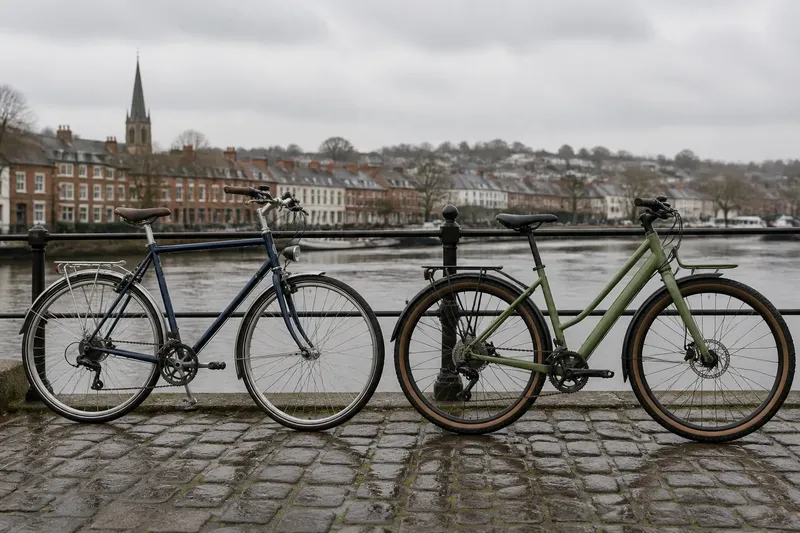
A commute is shaped by arrival. Work, school or an appointment gives the ride a clear endpoint, and the bicycle is one way to get there. That practical purpose can make an ordinary journey feel quietly rewarding: you are moving under your own power and watching familiar streets wake up or wind down.
The rhythm often comes from the day around the ride. A commuter may want a steady, predictable trip, with enough attention left to notice traffic, intersections and changes in the weather. The aim is not necessarily to ride fast. It is to arrive ready for what follows, rather than feeling as if the journey has taken over the day.
Commuting suits someone who enjoys building movement into an existing routine. It can also appeal to a rider who likes familiarity: the same corner bakery, the same stretch beside a park, the same gradual shift from residential blocks to busier streets. A practical trip can still have character, even when the destination is fixed.
Say you ride from home to a library on a weekday. If you treat it as a commute, your attention may settle on keeping a composed pace and arriving with enough energy to start your visit. The observable difference is in what you notice: the route becomes part of a daily transition, not an outing that needs to justify its own time.
Touring makes distance a story
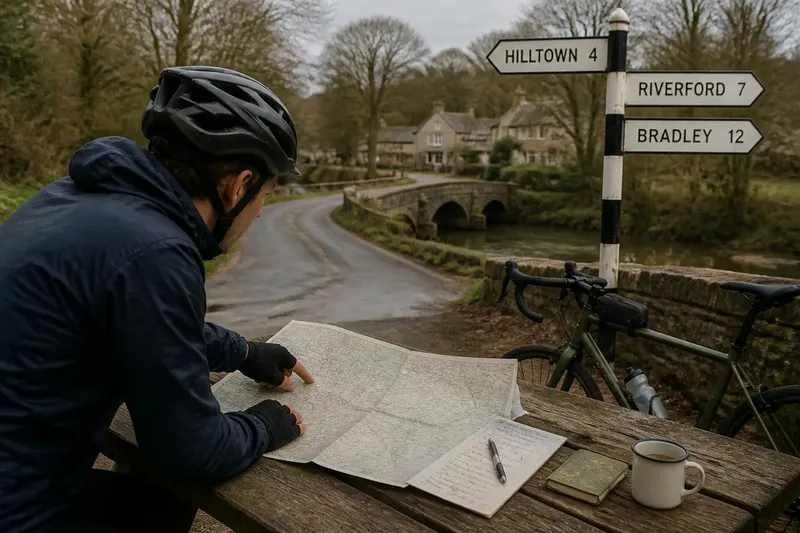
Touring gives the journey a larger role. The ride itself becomes part of the reason to go, and places passed along the way can matter as much as the destination. A stop in a small town or a change in the landscape may become a memorable part of the trip rather than an interruption.
Its pace is often measured by continuity, not by a finish time. A touring rider may prefer a rhythm that can be sustained across a long day, with room to pause, look around and adjust plans. That does not mean every touring ride is slow. It means speed is only one consideration among many, and the experience of moving through a region carries weight.
Touring tends to suit people who like a journey with chapters: the departure, the stretch that opens into countryside, the stop for a meal, and the arrival somewhere unfamiliar. It can reward patience and curiosity. The ride feels less like a line between two points and more like a day whose character develops as it unfolds.
Planning matters, but it is in service of keeping the journey possible and enjoyable, not of squeezing every minute into a rigid schedule. A rider may be more willing to change the day’s rhythm when a place invites a longer stop. That flexibility is part of the appeal, though a fixed appointment or a busy weekday may make a different style a better fit.
Leisure leaves room
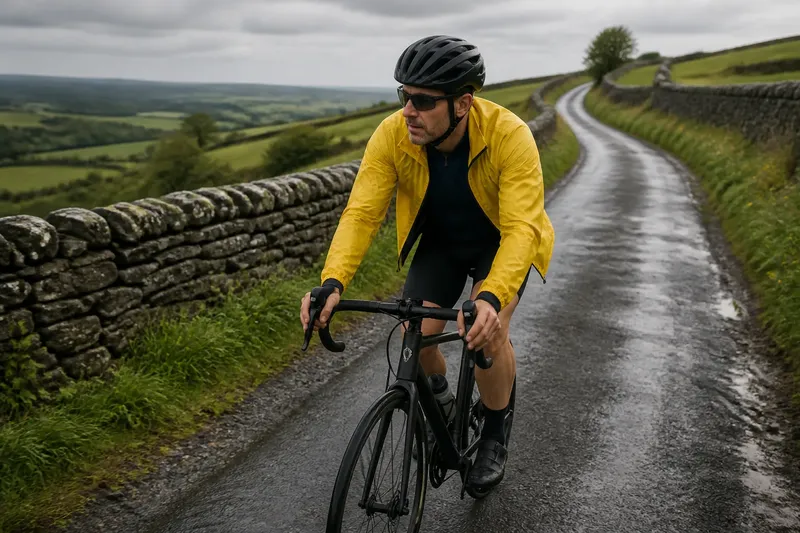
Leisure riding begins with the ride itself. There may be a destination, but it is optional in spirit: the pleasure comes from being out, feeling the changing pace of the road, or sharing an easy outing with someone else. A loop that ends near home can be as satisfying as a ride that reaches a landmark.
The pace can change with mood. One day, a rider might pedal steadily along a familiar path; another day, they might pause to watch boats or take a quieter street. Leisure riding suits someone who wants movement without making the ride answer to a workday or a longer travel plan. It can be restorative, social or simply a pleasant way to spend an afternoon.
Because the outing is the point, the end of the ride does not need to feel like a performance review. A short ride can feel complete, and a longer one can be shaped by conversation or curiosity. The freedom to stop or turn back is not a failure to finish; it is part of choosing an open-ended purpose.
How do the styles differ?
Which style has the clearest schedule?
Commuting usually has the firmest arrival time because another part of the day depends on it. Touring and leisure rides can allow more variation, although a tour may still have places to reach and arrangements to respect.
Can one ride serve two purposes?
Yes. A ride to a friend’s home can also be a relaxed outing, and a touring day can include a practical errand. The useful question is which purpose should shape your expectations if the ride takes longer or feels different than planned.
Which style is best for a new rider?
There is no single best choice. Someone who appreciates a clear destination may enjoy commuting, while a rider who wants low-pressure time outside may prefer leisure riding; touring can appeal to those drawn to longer journeys and gradual discovery.
Does touring always mean a long trip?
No. Touring describes an approach in which the journey has a central role, not a required distance. Even a modest outing can feel tour-like if you give the route, the stops and the experience of traveling your attention.
Choose by the day
Rather than assigning yourself a permanent rider identity, ask what you want from the next trip. If you need to reach something, commuting may fit. If you want the journey to connect places and unfold over time, touring may suit you. If you want to be outside without a strong obligation attached, leisure riding may be the natural choice.
It is also fine to let the same stretch of pavement change roles. A path beside a river might be a calm way to reach work, a linking segment on a tour or the destination in itself during a leisure ride. The scenery is unchanged; your purpose directs what you notice and what counts as a good ride.
For touring, commuting and leisure riding, the clearest choice is often the one that matches the time and attention you genuinely have today. Let the ride be useful when you need usefulness, exploratory when you have room for it, or enjoyable for its own sake. That small distinction can make a familiar journey feel like the right one.