The Myth of the Perfectly Matched Cycling Kit
The perfectly matched cycling kit is a style choice, not an entry requirement. Build a comfortable, practical outfit from clothes you already own.

Do your cycling clothes need to match before you head out? No: the perfectly matched cycling kit is a visual preference, not a requirement for taking part. A bright jacket, dark shorts, and an older jersey can belong on the same ride. What matters first is whether your clothes suit the weather, allow you to move, and feel comfortable enough to keep riding.
What matching means
A coordinated kit usually brings together a jersey, shorts or tights, socks, and sometimes gloves or a cap in a related palette. Some riders enjoy choosing pieces that share colors or a design. Others dress from a drawer, layering what is clean and comfortable. Neither approach says anything reliable about a rider’s ability, commitment, or right to be on the road.
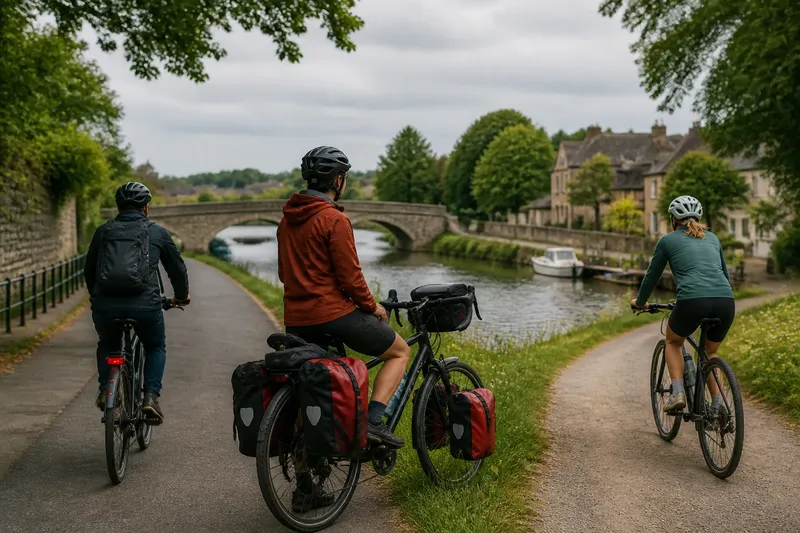
The myth grows from a familiar sight: club photos and product displays often show riders wearing coordinated outfits. Those images can make a matching set look like the standard uniform of cycling. In practice, clothes serve different jobs. A windproof layer may be useful for one part of a ride, while a breathable top suits another; they need not look like a set to work together.
Think of an outfit like a well-used toolbox. The tools may not share a color, but each has a purpose. Clothes are similar: choose each item for the conditions and the way it feels, rather than rejecting a useful garment because its shade clashes.
A week of ordinary choices
A simple weekly routine can help make clothing decisions less loaded. It is not a training plan or a shopping schedule. It is a way to notice what you reach for, what stays comfortable, and what needs attention before the next outing.
- On a dry, mild day: Choose a comfortable top and bottoms that let you pedal freely. If you already own a jersey, wear it; a regular athletic shirt can also suit a casual ride.
- Before a breezy ride: Add a light layer you can take off and stow if you warm up. A mismatched wind shell is still useful clothing.
- After a wet or muddy outing: Let damp garments dry, then wash them according to their care labels. Set aside anything that still feels uncomfortable or has a closure that needs attention.
- Before an early start: Check the forecast and lay out layers the evening before. Keep an extra layer available if conditions could change during the ride.
- At the end of the week: Notice which clothes were comfortable and which stayed unused. That gives you a more useful guide to future choices than a matching photo or a sales display.
Imagine you have a navy jersey, black shorts, and a yellow rain shell, and the morning forecast calls for showers. You choose the shell because it suits the weather, then wear the other pieces because they are comfortable. The expected result is an outfit that serves the ride, even if the colors do not form a set.
Comfort before color
For everyday riding, start with fit and feel. Clothes that pinch, bunch, flap, or restrict movement can distract you. Try sitting in a riding position and moving your legs as you would while pedaling. A hem that feels fine while standing may shift when you lean forward; a waistband that presses at home may become more noticeable on the bike.
Fabric and layers should suit the ride, too. A breathable top may feel better on a warm outing, while a wind-resistant layer can make a cool, exposed route more comfortable. If you carry a spare layer, choose one that can be stowed without getting in the way. There is no single outfit that suits every rider, route, and forecast.
Visibility is another separate consideration. A bright garment may help you stand out against a particular background, but bright clothing is not a substitute for lights when lights are appropriate. Think about the conditions and the equipment you use, rather than assuming that a coordinated set automatically makes a rider easier to see. Follow product instructions and local rules where they apply.
Questions riders ask?
Do cycling clothes need to match?
No. Matching is a personal style choice, and riders can combine pieces from different brands, colors, or kinds of clothing. Choose based on comfort, weather, and the ride you have planned.
Can I ride in regular clothes?
For many casual trips, ordinary clothes that allow you to move comfortably are a reasonable choice. Check that loose fabric will not interfere with your movement or bicycle, and consider what will feel comfortable for the length and conditions of your ride.
Does a matching kit make me look more experienced?
It may create a polished, coordinated look, but clothing cannot tell you how experienced someone is. Riders learn through time and practice, whether they wear a full team-style kit or a favorite shirt with everyday shorts.
What should I buy first?
Start with the clothing gap you actually notice, such as a layer for cool weather or shorts that feel more comfortable on longer outings. There is no need to replace usable items just to make the colors line up.
Buying without the pressure
If you are shopping, make a short list based on discomfort or a missing layer rather than a complete outfit. A useful order might be:
- Fit: Can you bend and pedal without pulling or pinching?
- Weather: Does the item address a condition you regularly ride in?
- Comfort: Do seams, cuffs, and waistbands feel agreeable in a riding position?
- Care: Can you wash and dry it in a way that fits your routine?
- Use: Can it work with clothes you already own?
Try garments on when possible, and pay attention to how they move with you rather than how they look standing still in a mirror. For specialized items, such as padded shorts, comfort can vary from person to person; a knowledgeable bicycle shop can help you compare options without making a complete kit the goal.
It is fine to enjoy coordinated colors. A matching jersey and shorts can feel satisfying, and some riders like the shared identity of club clothing. The point is not to dismiss that pleasure; it is to separate it from the idea that coordination is a condition of participation. If a club has a specific clothing request for an event, check what that request actually means rather than assuming every ride has one.
Make the routine yours
After a few ordinary rides, the week’s small observations can shape a practical clothing routine. Keep the items that feel good and serve the conditions; wash and air them as their labels advise; set aside pieces that need repair or no longer suit you. When you add something, let it solve a real problem or bring you pleasure, not an imagined dress code.
The perfectly matched cycling kit remains exactly what it should be: one look among many. A rider can set out in club colors, a favorite old jersey, or an assortment chosen for the forecast. Before the next ride, ask a more useful question than “Do these pieces match?” Ask whether you can move comfortably, dress for the conditions, and enjoy being out there.